


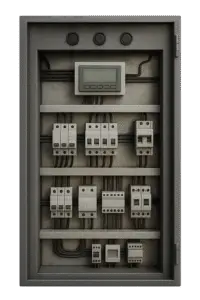


Comprehensive Guide to Wiring Harnesses for Automotive, Aerospace, and Industrial Applications
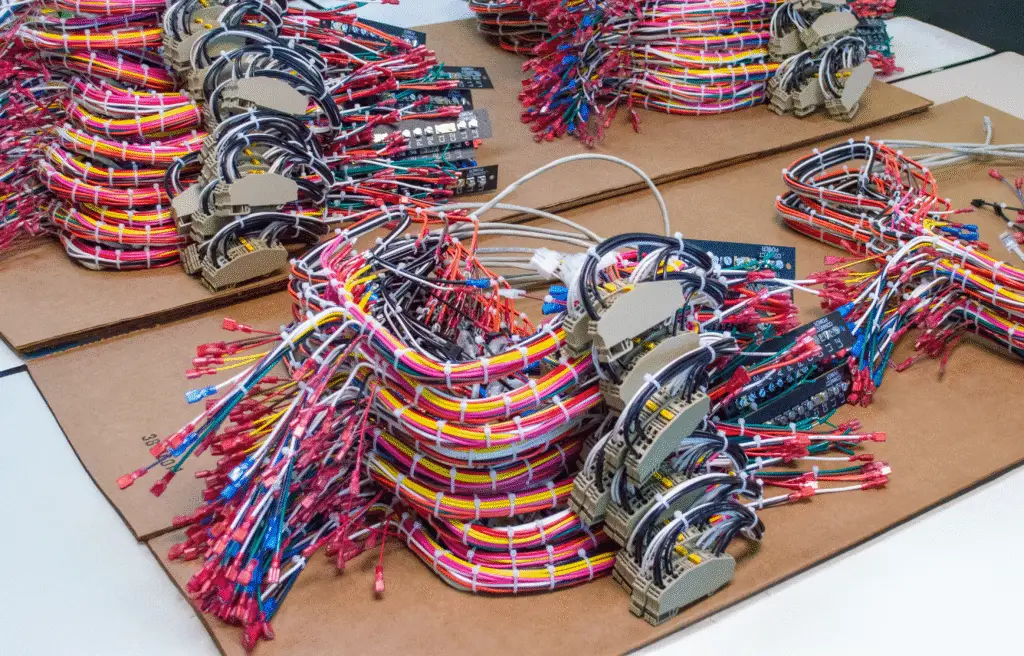
Wiring harnesses—also known as cable harnesses, wire harnesses, or wiring looms—are essential assemblies of cables and wires that transmit electrical power and signals throughout a system. By bundling wires into a single organized unit, a harness protects them from vibration, abrasion, and moisture, reduces the risk of short circuits, saves space, and simplifies installation. From cars and trucks to airplanes and industrial machinery, wiring harnesses are found in nearly every piece of modern equipment that uses electricity.
Wiring Harnesses in Automotive and Transportation
In vehicles, the wiring harness acts like the “nervous system,” connecting everything from the engine control unit (ECU) to the taillights. A mid-range car might have over a thousand wires, adding up to around 1 km in length and 45 kg in weight. Luxury models like Lexus may have even more extensive harnesses.
Common Automotive Harness Subsystems
- Engine Bay Harness
- Dashboard Harness (Dash Harness)
- Body Harness (Chassis Harness)
- Door Harnesses
- Lighting Harnesses
- Steering Wheel Wiring Harness
- Trailer Hitch Wiring Loom
High-Current Applications
- Battery Harnesses: Connect battery to starter and alternator using thick cables.
- Power Cable Harnesses: Built to withstand heat and carry hundreds of amps.
Commercial Vehicles and Trailers
- Robust custom harnesses for harsh environments.
- Trailer Wiring Harnesses using standardized connectors (7-pin, 9-pin).
Motorcycles and Custom Builds
- Compact, weather-resistant looms.
- Often custom-built during restoration or modification projects.
Engine Swaps and Aftermarket Installations
- Engine Swap Harnesses (e.g., LS swap harnesses from BP Automotive or CPW).
- Designed for plug-and-play integration in modified vehicles.
Custom and Aftermarket Wiring Harness Solutions
When off-the-shelf solutions don’t fit, engineers and enthusiasts turn to custom harness fabrication.
Niche Applications
- Performance ECUs: MoTeC or Holley systems with I/O harnesses.
- Fuel System Upgrades: Aeromotive harness kits for high-performance pumps.
- Conversion Harnesses: Rywire conversion harnesses for engine swaps.
- Universal Wiring Kits: For classic cars; pre-labeled and modular.
- Mil-Spec Harnesses: Built with Raychem DR-25, concentric twist, and sealed connectors.
- Braided Looms: For both protection and aesthetics.
- Special Function Harnesses: Resistor harnesses, O₂ sensor extensions, bypass harnesses.
These solutions are ideal when standard options are inadequate or a clean professional look is important. Custom wiring harness companies, including those in Dallas, TX, offer design support for these projects.
Wiring Harnesses in Aerospace and Industry
In aerospace, harnesses connect avionics systems, sensors, and actuators and are built to withstand extreme conditions. They are secured with lacing cords instead of plastic ties and built using high-spec materials.
Aerospace-Specific Requirements
- High-density connectors and polyimide or Teflon insulation.
- EMI shielding with braided shielding.
- High-voltage harnesses for electric aircraft and EVs (orange insulation).
- Mil-spec standards (MIL-STD), including flame-retardant and chemical-resistant materials.
Industrial Applications
- Used in robots, medical equipment, motors, and sensors.
- Require protection from chemicals, flex fatigue, and physical stress.
- Pre-built harnesses allow quicker installation and maintenance.
Major manufacturers include Yazaki, Sumitomo, and Aptiv for automotive harnesses, and specialized aerospace fabricators for aircraft wiring systems.
Design and Engineering of Wiring Harnesses
Harness design requires both electrical and mechanical engineering expertise.
Electrical Considerations
- Circuit current ratings and wire gauge sizing.
- Signal types (power, analog, digital, high-speed data).
- Fuse and circuit breaker inclusion for safety.
Mechanical Considerations
- Routing and secure mounting (clamps, grommets).
- Environmental resistance (heat, vibration, moisture).
- Integration with physical layout (engine bays, fuselages).
Design Tools and Documentation
- CAD tools like AutoCAD Electrical, Zuken, SolidWorks Electrical.
- 2D wiring diagrams and 3D harness models.
- Nail board layouts for assembly teams.
Connector and Component Selection
- Use of industry-standard connectors (Deutsch, Molex, Delphi, etc.).
- Attention to contact reliability and corrosion resistance.
Industry Standards
- IPC/WHMA-A-620: Covers wire preparation, crimping, soldering, bundling, and inspection.
- Class 3: High-performance/hazardous environment.
- Used as a default benchmark when no customer specs are provided.
- Technicians often certified to IPC/WHMA-A-620.
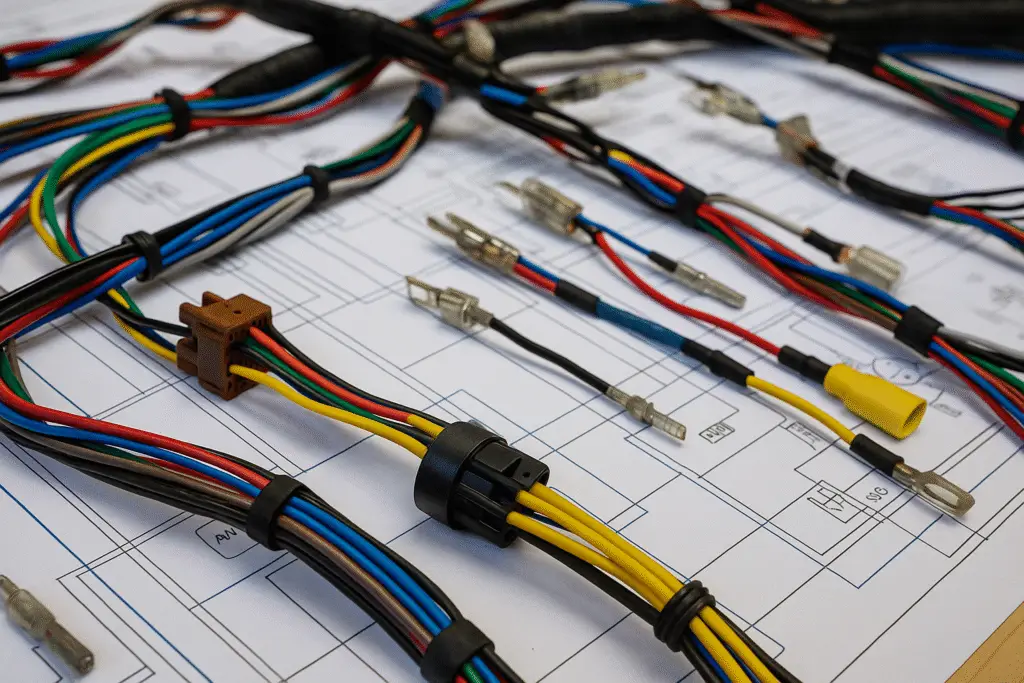
Manufacturing and Assembly Process
Harness manufacturing includes both automation and manual craftsmanship.
Key Steps
- Wire Cutting & Preparation: Automated machines cut and strip wires, and may print labels.
- Crimping & Termination: Crimps are gas-tight and verified by pull tests. Crimping is preferred over soldering in most cases.
- Layout & Assembly: Wires laid out on pin boards or nail boards for accuracy.
- Bundling & Securing:
- Taping
- Split loom or conduit
- Braided sleeving
- Cable lacing (aerospace, telecom)
Testing & Quality Control
- Continuity testing with automated test boards.
- Inspections of crimps, routing, and physical durability.
- Controlled handling to prevent damage or ESD.
Despite automation, most wire harness assembly is still done by hand due to the complexity and custom nature of each harness.
Maintenance, Repair, and Replacement
Wiring harnesses can last for years but may need repair or replacement due to:
- Wear and abrasion
- Rodent damage
- Heat degradation
- Cuts during service
Repair Approaches
- Minor repairs: Butt connectors, solder splices (with heat shrink), or pigtail connectors.
- Pigtail Examples: Ford WPT-1212 for radio or sensor repair.
- Full replacement: For severely damaged or brittle wiring, particularly in restorations.
Best Practices
- Avoid solder-only joints unless strain-relieved.
- Use heat shrink, not just electrical tape.
- Maintain waterproof seals on connectors.
- Ensure proper crimp tools are used for reliability.
Conclusion
Wiring harnesses are the hidden lifelines of vehicles, aircraft, machines, and devices. Whether off-the-shelf, custom-built, or aftermarket, a well-designed harness ensures safety, performance, and serviceability.
For engineers: understanding wire gauge, routing, connector choice, and standards like IPC/WHMA-A-620 is essential.
For buyers and procurement teams: work with experienced harness suppliers who meet quality standards and understand your application needs.
References and standards mentioned in this guide include IPC/WHMA-A-620, industry data on automotive wiring complexity, and aerospace cable handling protocols. These guidelines represent current best practices in wire harness engineering and manufacturing.
ATRON Group provides custom cable and wire harness solutions from our Dallas, TX facility, serving clients nationwide.


